




The first step in viral invasion of host cells is often the membrane fusion process mediated by surface glycoproteins—this "gateway to invasion" is a key target in antiviral research. The fusion inhibitory peptide (CAS: 75539-79-6) acts like a precise molecular key, directly locking this gate and blocking the initiation of viral infection.
As a classic viral replication inhibitor, the core structure of 75539-79-6 is Z-DPhe-Phe-Gly-OH (Z-DPhe-FG). The essence of its mechanism of action lies in competitively binding to key viral fusion regions, disrupting the fusion process between the virus and the host cell membrane. As early as the 1980s, the scientific community had already recognized the antiviral potential of these peptides. A study by Richardson et al. in *Virology* confirmed their inhibitory effect on viral membrane fusion activity (Richardson et al., *Virology*, 105, 205, 1980), laying the foundation for subsequent research.
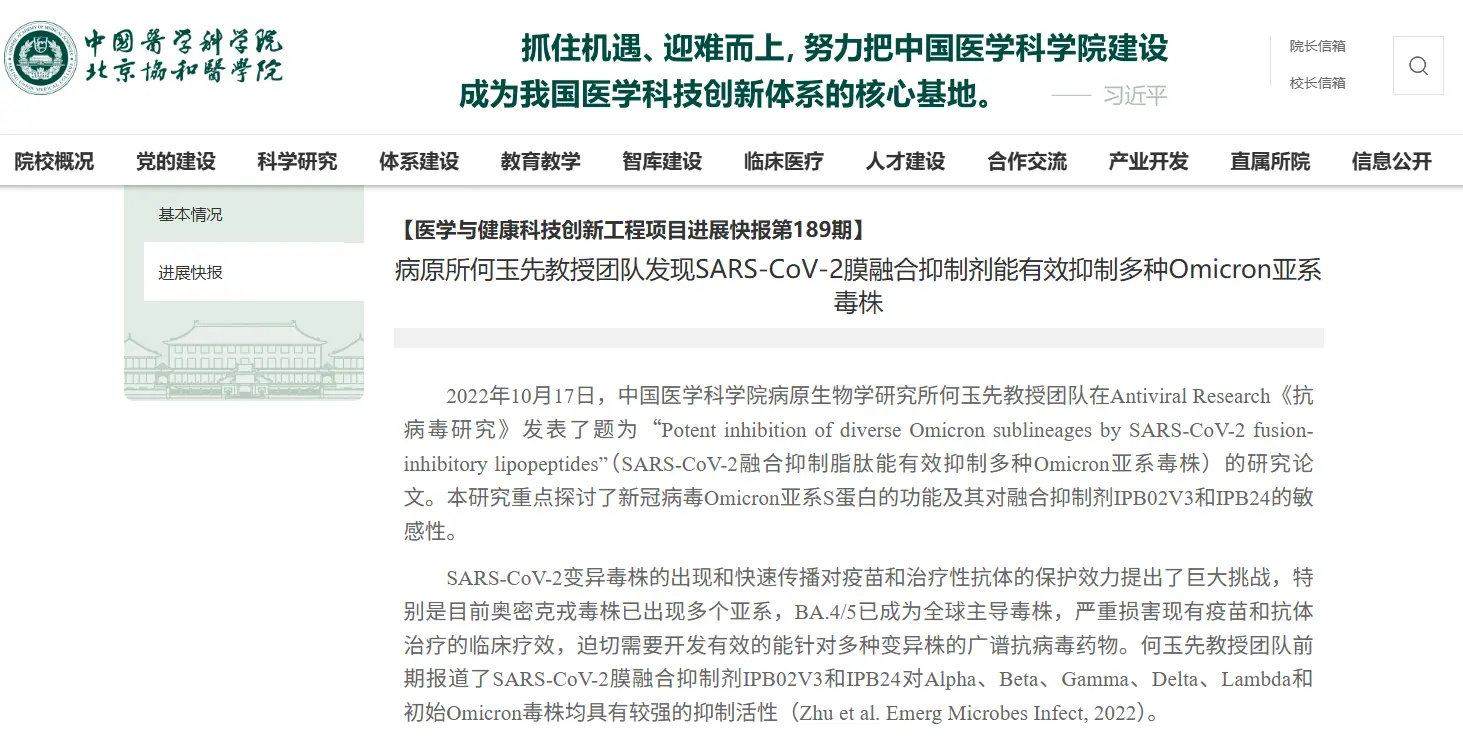
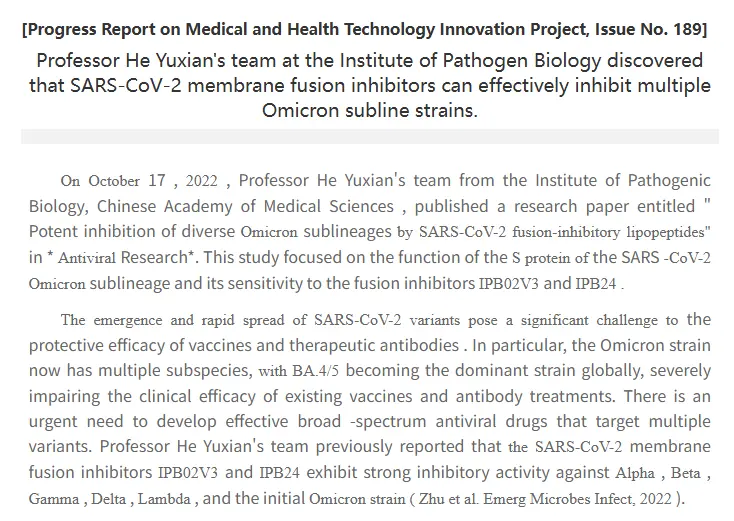
With further research, the application value of 75539-79-6 has been continuously explored. It not only inhibits the invasion of retroviruses such as HIV and SIV, but also shows inhibitory potential against other membrane fusion-dependent viruses (Epand, *Biosci. Rep.*, 6, 647, 1986). More importantly, recent studies have achieved breakthroughs in the performance of these fusion-inhibiting peptides through structural modification strategies—for example, fluorinated derivatives not only increase inhibitory activity by 5 times, but also solve the problem of poor membrane permeability of peptide molecules, providing possibilities for the development of oral formulations.
In the field of antiviral drug development, the advantages of fusion-inhibiting peptides are becoming increasingly prominent. Compared to traditional drugs, peptide inhibitors like 75539-79-6 exhibit stronger targeting, are less likely to induce drug resistance mutations, and have higher biocompatibility. A study by Plemper et al. in *J. Virol.* pointed out that fusion inhibitory peptides can precisely target key viral fusion sites with minimal damage to normal host cells (Plemper and Compans, *J. Virol.*, 77, 4181, 2003).
From basic research to clinical translation, the research trajectory of the fusion inhibitory peptide 75539-79-6 has witnessed the development of peptide antiviral drugs. Today, it remains an important tool molecule for antiviral drug development and the study of viral infection mechanisms, providing valuable research directions for addressing the challenges of constantly emerging viral mutations.